Temporomandibular Joint Disorder: When Jaw Pain Affects More Than Your Smile
Do you have headaches?
Do you grind or clench your teeth?
Do you have clicking or popping in your jaw?
Do you have pain in your jaw muscles?
Do you have difficulty or pain when chewing?
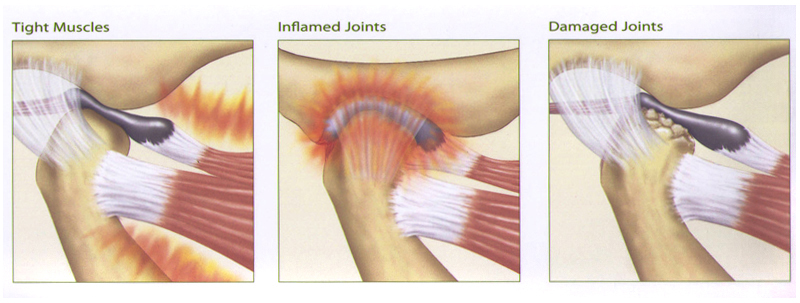
If you answered “yes” to one or more of these questions, you may be experiencing temporomandibular joint disorder (TMJD). The temporomandibular joint (TMJ) is the hinge that connects your jawbone to your skull. It allows you to talk, chew, and yawn — but when this joint becomes irritated or dysfunctional, it can trigger pain and dysfunction throughout the jaw, head, and neck.

TMJD is surprisingly common, affecting up to 12% of the population, and is more prevalent in women than men [1]. Symptoms can range from mild discomfort to chronic pain that interferes with daily life.
Causes of TMJD
TMJD can result from a variety of factors, including:
Poor posture (especially forward head posture, which strains the jaw and neck)
Stress and clenching or grinding of teeth (bruxism)
Jaw injury or trauma
Arthritis affecting the joint
Misalignment of the teeth or jaw
Chiropractic and Holistic Approaches to TMJD
Chiropractic Care
Gentle adjustments to the jaw, neck, and upper spine can reduce tension, restore alignment, and improve joint motion.
Soft tissue techniques can release tight muscles around the jaw, head, and neck.
Stress Management Because clenching and grinding often worsen with stress, techniques such as diaphragmatic breathing, meditation, and exercise can reduce TMJ strain [2].
Posture Correction Correcting forward head and rounded shoulder posture takes pressure off the jaw. Exercises for the neck and upper back are often included in care plans.
Self-Care Tips
Avoid chewing gum or very hard foods.
Apply moist heat or ice packs to relieve pain and inflammation.
Practice jaw relaxation by placing the tongue gently on the roof of the mouth and letting the jaw rest.
✅ Wellness Tips
Sit tall to reduce forward head posture
Avoid clenching your teeth — keep lips closed, teeth apart
Use heat or ice for sore jaw muscles
Reduce stress with daily breathing or relaxation exercises
The Takeaway
TMJD can be painful and frustrating, but it is highly manageable. With chiropractic care, posture correction, stress management, and self-care strategies, you can reduce jaw pain, improve function, and prevent long-term damage.
References
Scrivani SJ, Keith DA, Kaban LB. Temporomandibular disorders. N Engl J Med. 2008;359(25):2693–2705. https://doi.org/10.1056/nejmra0802472
Manfredini D, Winocur E, Guarda-Nardini L, Paesani D, Lobbezoo F. Epidemiology of bruxism in adults: a systematic review of the literature. J Orofac Pain. 2013;27(2):99–110. https://doi.org/10.11607/jop.921


Comments